
So I was thinking about my hardware wallet last night and yeah—I got a little anxious. Whoa! I remember when I first moved a sizable position offline; it felt like burying cash in the backyard, but smarter. Initially I thought a single backup in the house was fine, but then I realized how many single points of failure that creates. Ok—this is about practical moves, not fear-mongering, though somethin’ about leaving seeds in a desk drawer still bugs me.
Here’s the thing. Seriously? People still screenshot their seed phrases. Short sentence. Most folks want two things: convenience and safety. Those goals are at odds, obviously, and navigating that tension is the core of cold storage strategy. My instinct said “make it as simple as possible” but my head said “design for failure”.
Cold storage begins with hardware choices. Wow! Pick a device from a reputable maker and test it before you trust it with money. On one hand, you want a robust device with a long track record; on the other hand, you don’t want features you don’t understand that could increase attack surface. Actually, wait—let me rephrase that: choose a device you can audit mentally and that you can use daily without tripping up.
Physical backups matter more than most people admit. Hmm… I once watched a friend lose access because of a melted plastic bag during a basement flood—true story. Two geographically separated backups are the minimum for anyone serious about uptime. Use different storage types—paper, metal, secure safe deposit—so a single disaster doesn’t erase everything. Oh, and label nothing with the word “seed”; be discrete and creative.
Staking from cold is doable, and it’s becoming safer. Really? Yes, you can delegate or stake rewards without compromising your keys in many ecosystems. You sign an operation with your hardware wallet, let a hot node broadcast it, and your keys never leave the device. There are trade-offs though—liquidity, lockup periods, and counterparty risk if you use a custodian or liquid-staking protocol. I’m biased, but I favor delegating to trusted, transparent validators and self-custody where possible.
Let’s talk firmware. Whoa! Firmware updates are both security patches and attack windows. You must balance updating promptly with verifying authenticity. Initially I updated everything immediately, until I realized update processes themselves can be phished or manipulated if you follow the wrong prompts. On the bright side, reputable manufacturers publish release notes and code audits that you can check (yes, it takes time) and that helps a lot.
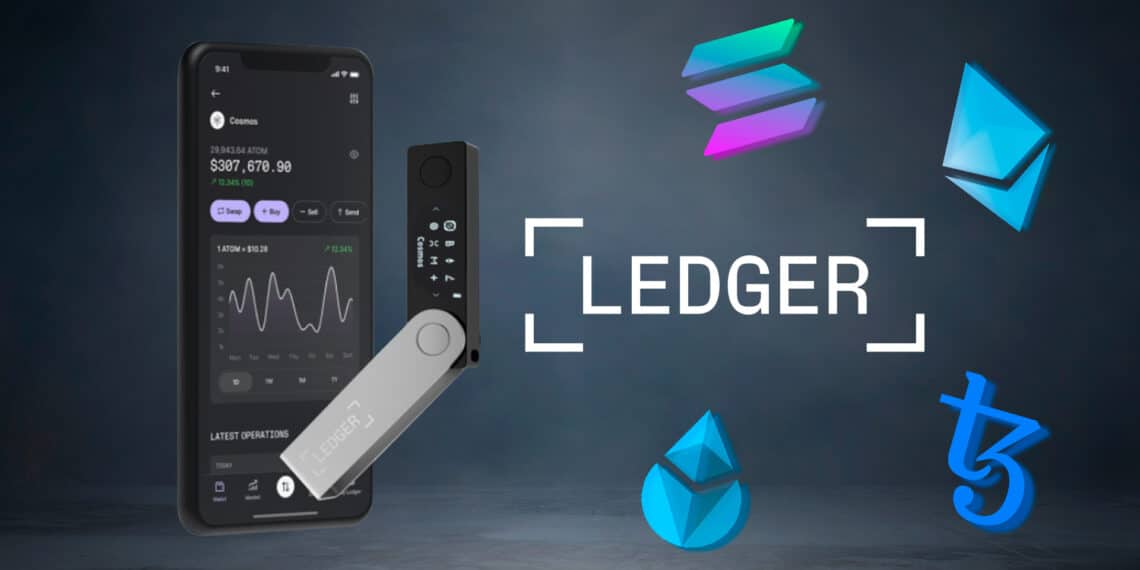
Okay, so check this out—use official tools. Hmm… for example, many people rely on the manufacturer’s app to update firmware and manage accounts. For Ledger users the official manager is handy—try the ledger app to confirm firmware authenticity and to install updates securely. Use the vendor tool to fetch updates, verify signatures on the device screen, and never run binaries from random forums. I’m not 100% sure every user will read release notes, but reading at least the highlights prevents a lot of headaches.
Another practical tip: air-gapped flows reduce risk. Whoa! Yes—create or restore an account in an environment with limited connectivity when possible. That reduces remote attack vectors dramatically. On the other hand, completely air-gapped setups are harder for staking and regular transactions since they require bridging signed data to online machines. So the compromise is a signed offline workflow with clearly defined steps and a clean transmitter computer. That sounds cumbersome, and it can be, but it is the safest way for large holdings.
Human factors kill more portfolios than technical exploits. Hmm… social engineering is clever, and humans are predictable. Teach your close circle that you will never share seed words or be rushed into “emergency” transactions. Practice rejecting unexpected prompts. And keep a fraud plan: who to contact, what to freeze, who holds secondary recovery if you choose that route—this is about resiliency, not paranoia.
There are creative backups that survive fires and floods. Really, metal plates and specialized stamping kits are worth the investment if you hold serious amounts. Store copies in multiple jurisdictions if possible. Don’t store everything in one political or climate zone—diversify physical risk. (Oh, and by the way, test your recovery in a safe way before you actually need it.)
In terms of staking specifics: understand slashing and lockups. Whoa! Different chains have wildly different rules. Research validator performance history and commission rates; small savings on fees are not worth increased downtime risk. On one hand staking boosts returns; on the other hand it adds governance and operational considerations. If you run your own validator, be prepared for maintenance windows and security hardening—it’s not plug-and-play for most people.
My working rule: reduce blast radius. Hmm… separate funds by purpose—long-term cold storage, staking pool, daily spend. That way a mistake with a hot wallet won’t ruin everything. Use multi-sig for shared or high-value holdings; multi-party key custody provides an extra barrier. It adds friction, yes, but friction can be protective—very very important friction sometimes.
Practical checklist and final thoughts
I’ll be honest: no plan is perfect. Whoa! But a solid checklist helps you sleep at night. Keep firmware up to date but verify updates first. Keep multiple, geographically diverse backups and avoid storing them online. Limit funding to hot wallets for day-to-day use and keep the bulk cold. Use multi-sig or trusted custodians for large shared positions and periodically rehearse your recovery process with a dry run.
FAQ
How often should I update device firmware?
Update when critical security patches are released, but verify the update through the manufacturer’s official channel and on-device confirmation. If an update seems minor and your setup is stable, you can schedule updates during low-activity windows to reduce mistake risk.
Can I stake from cold storage?
Yes, many chains support signing stake transactions with hardware wallets so keys remain offline, though you may use a hot node to broadcast. Understand lockup and slashing rules first and choose validators with good uptime records.
Where should I get official firmware and apps?
From the device manufacturer only; for example use the official ledger manager or vendor-provided downloads and verify signatures when available. Avoid third-party downloads or forum binaries, even if they seem endorsed—phishing is real.