
Okay, so check this out—DeFi used to feel like a series of gated islands. You hop chains, you swap context, you pray your wallet doesn’t silently fart gas fees into oblivion. My first impression was: chaotic. Then I started using multi‑chain browser wallets and my workflow smoothed out in ways I didn’t expect. Seriously, it’s a subtle shift, but for anyone who trades, farms, or bridges often, it matters.
Short version: a good multi‑chain browser extension makes cross‑chain interactions less error‑prone and faster. Longer version: it reduces friction, helps you keep track of assets across networks, and gives sane UX for contract approvals — which is where most people screw up. I’m biased, sure. I’ve been noodling with wallet extensions for years, testing security tradeoffs and UX patterns. Some wallets try hard and still get in their own way. Others get the basics right and suddenly you’re more productive.
Here’s what I look for when I say “multi‑chain wallet” and why it matters for real DeFi users.
What a multi‑chain wallet actually needs to do
First: it must manage multiple chain accounts without making you mentally remap addresses every time you switch networks. Second: it should present approvals and gas estimates in human terms — not as raw wei numbers that make you glaze over. Third: it should lower the risk of signature/scam mistakes with thoughtful defaults and clear warnings.
On a technical level, this means the extension needs to handle RPC endpoints, chain IDs, and token metadata in a way that’s both robust and updatable. Practically, it means the UX shows you which chain a transaction will execute on, what contracts are being approved, and whether the approval is unlimited or time‑limited. Little things: displaying native token balances alongside ERC‑20 holdings, showing estimated final gas in fiat, letting you set a safe default approval limit. Those are the features that stop bad decisions.
My instinct said bigger wallets would bloat and slow down. Actually, wait—let me rephrase that: I thought multi‑chain meant more complexity, but the right design reduces cognitive load. On one hand you add features. On the other, you remove the need to juggle separate apps.
Wallet security tradeoffs: what to watch for
Security is the headline, obviously. Browser extensions by nature trade convenience for a broader attack surface compared to cold storage. So how do we keep convenience but tighten the screws? Two practical moves matter:
- Scoped approvals over unlimited approvals. Never give blanket allowances unless you have a reason.
- Transaction previews that show contract source or a human explanation. If you can’t tell why you’re signing, don’t sign.
Honestly, this part bugs me: too many wallets bury these controls in “Advanced” menus. DeFi users are getting burned because UX hides risk. My working rule: make the safest option the easiest option. I’m not 100% sure that every user will read every prompt, but defaulting to safer behaviors cuts losses.
Rabby Wallet — where it fits
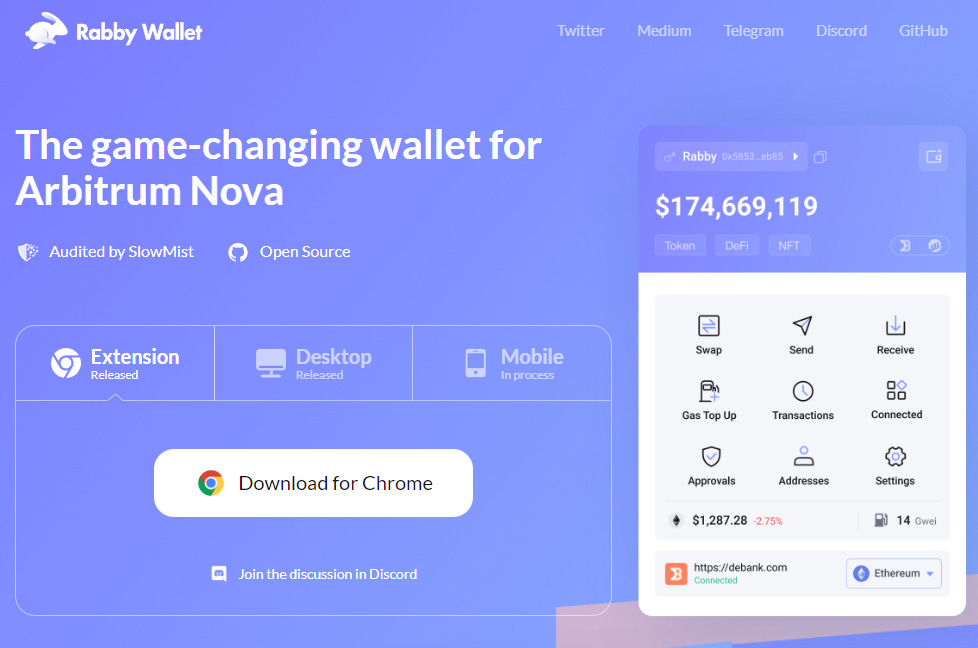
I’ve tried a few multi‑chain extensions. Some are clumsy; some are slick but opaque. If you want a balance of multi‑chain features, clarity, and practical security controls, give rabby wallet a look. It integrates multiple chains cleanly, surfaces approvals in a readable way, and includes UX choices that steer users away from the most common mistakes.
Quick anecdote: I once almost approved an unlimited spend on a liquidity pool token because my wallet made it too easy. With the better‑designed extensions I use now, that option is intentionally less convenient — and that one change stopped me from a dumb, very costly click.
Practical tips for managing multi‑chain activity
Here are some habits that save you time and money:
- Separate roles: use different accounts for trading, long‑term holding, and governance voting.
- Check approvals quarterly — or use a tool that automatically flags risky allowances.
- Keep an eye on RPC reliability. Switch to a fallback endpoint if transactions hang.
- Use clear, concise notes for bridging operations; bridges are where chain context gets lost.
There’s also a social side. If you’re in a DAO or team, standardize how you name accounts and what networks you use for ops. Sounds tedious, but it prevents “who moved the funds” chaos.
FAQ
Do I need a multi‑chain wallet if I only use Ethereum?
Maybe not. If you never leave Ethereum mainnet, a simpler wallet may suffice. But many L2s (Optimism, Arbitrum, zkSync) behave like separate chains, and a multi‑chain wallet that understands those networks saves you time and reduces mistakes.
How can I tell a good wallet from a risky one?
Look for transparency about code audits, a track record of prompt patching, and explicit UX signals for approvals. A good wallet will minimize dangerous defaults and make it easy to revoke approvals.
Is a browser extension safe enough for active DeFi?
Yes, if you follow hygiene: keep few funds in hot wallets, use hardware keys for large amounts when possible, and use wallets with thoughtful approval UIs. Hot wallets trade off some safety for speed, but smart usage and proper defaults mitigate much of the risk.
I started this with a mild annoyance at fragmented workflows. Now I’m curious again—because the right multi‑chain UI feels like a small product improvement that delivers outsized behavioral benefits. It makes you less sloppy. And in DeFi, less sloppiness equals fewer losses. That’s the point.